
Join 2000+ coaches and athletes
MY COACHING EYE 1
Learn the Biomechanical Principles that Change How You See, Diagnose, and Coach Speed and Movement
Learn the 3 Foundational Coaching Skills That Unlock
Speed & Movement Performance
Most coaches don’t struggle because they lack drills.
They struggle because they can’t clearly see what’s happening or why it’s happening.

See Movement Using Intense Actions as a Screen
Learn how sprinting and change of direction expose coordination, force orientation, rhythm, and sequencing far more clearly than isolated drills.
You’ll develop a sharper coaching eye by using intense actions as movement screens, allowing you to spot meaningful patterns quickly, even in chaotic environments.
This is what stops you missing what actually matters.

Understand Speed Through the PSR System
Learn the PSR framework (Projection, Switching, Reactivity) and how it organises biomechanics across acceleration, max velocity, and change of direction.
You’ll understand:
• Where speed breaks down
• Why it breaks down
• Which variables actually interact
This is what replaces guesswork with clarity.

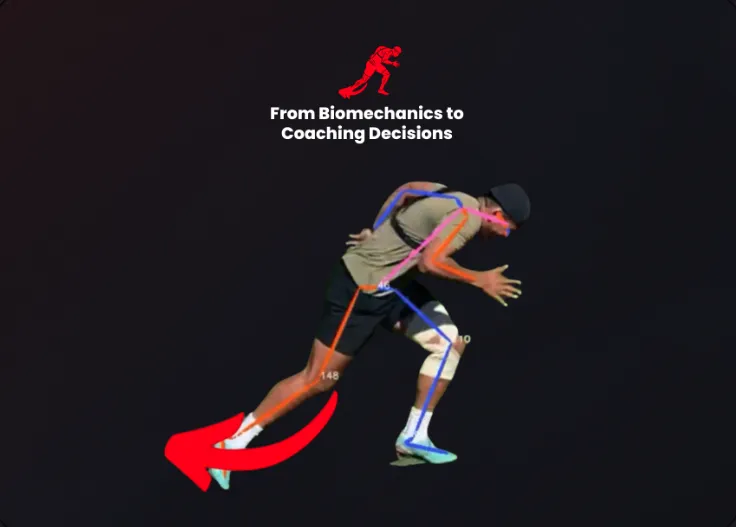
Connect Biomechanics to Coaching Decisions
Learn how biomechanical principles guide exercise selection, cueing, and progression, supported by real case studies and practical examples.
Instead of random drills or conflicting cues, you’ll make coaching decisions that are:
• Logical
• Defensible
• Consistent
This is what turns understanding into action.
OUR REVIEWS
What Do Other Coaches Say About Our Education?
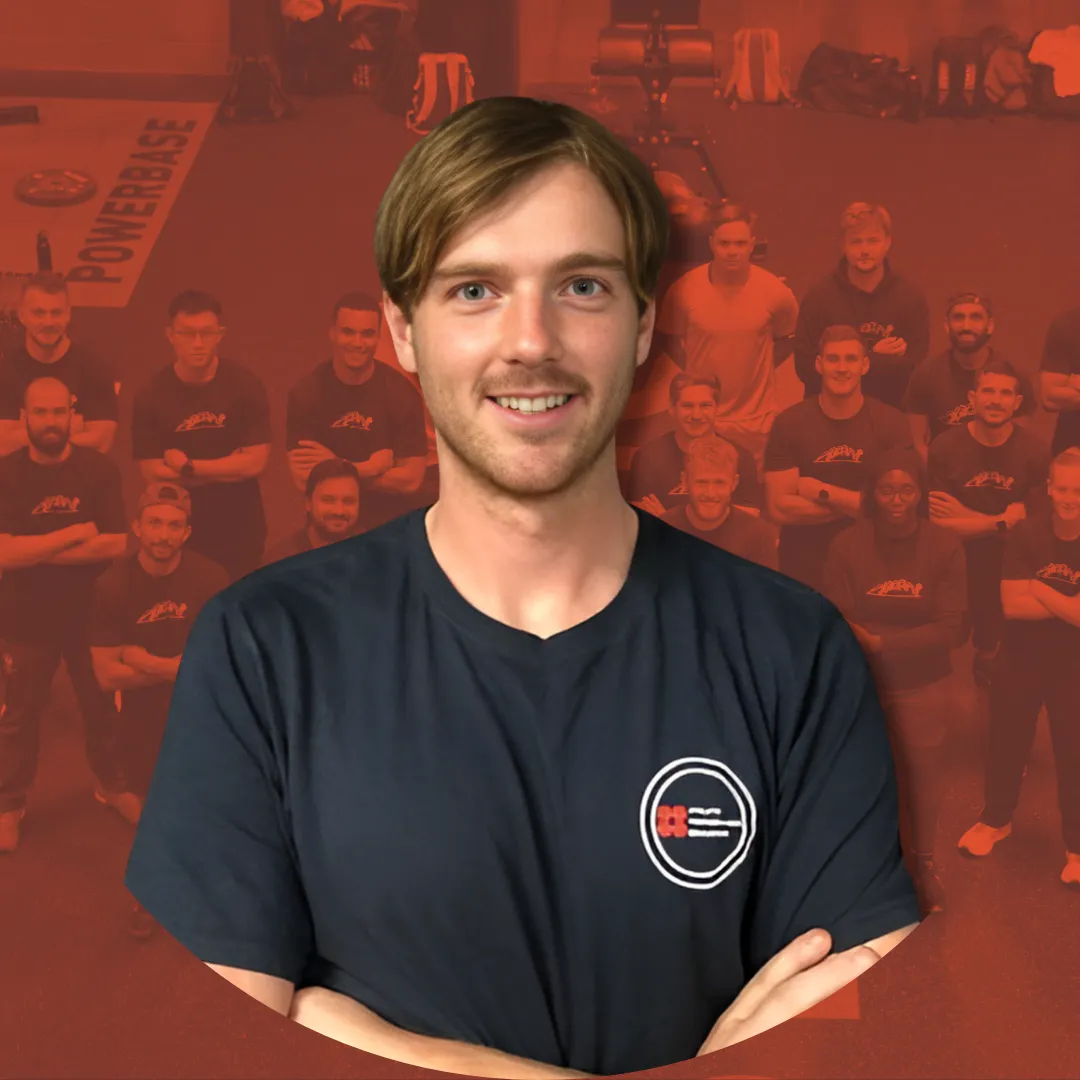
MATT TAYLOR
St Kilda, AFL
S&C Coach
MENTORSHIP
“PSR and BPS helped shape our AFL warm-ups and return-to-play strategies. It’s been a game changer.”

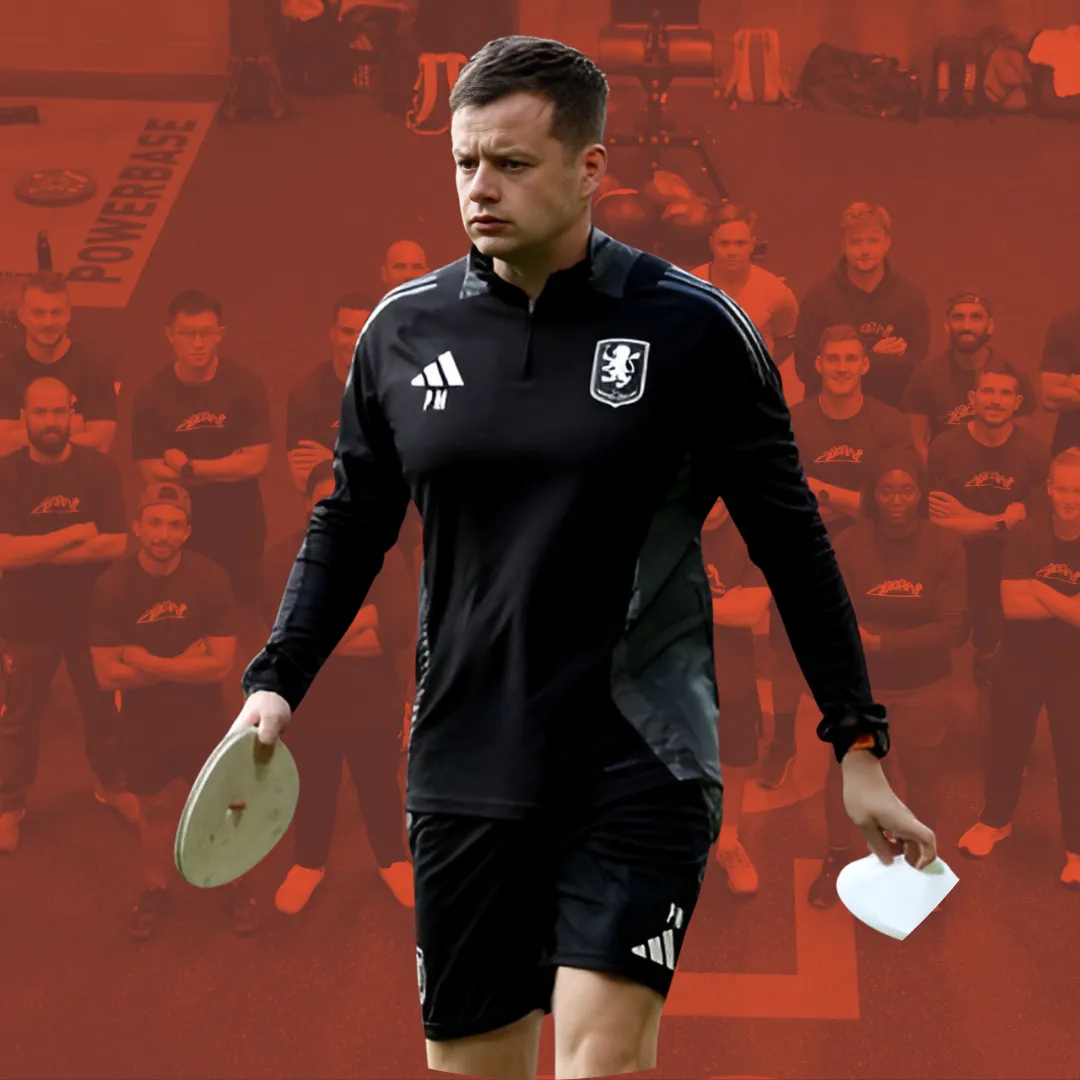
PATRICK MOORE
Aston Villa
First Team S&C Coach
MENTORSHIP
“The Mentorship has been the best thing I have done for my professional career. It has really challenged my way of thinking and how I approach programming and coaching."
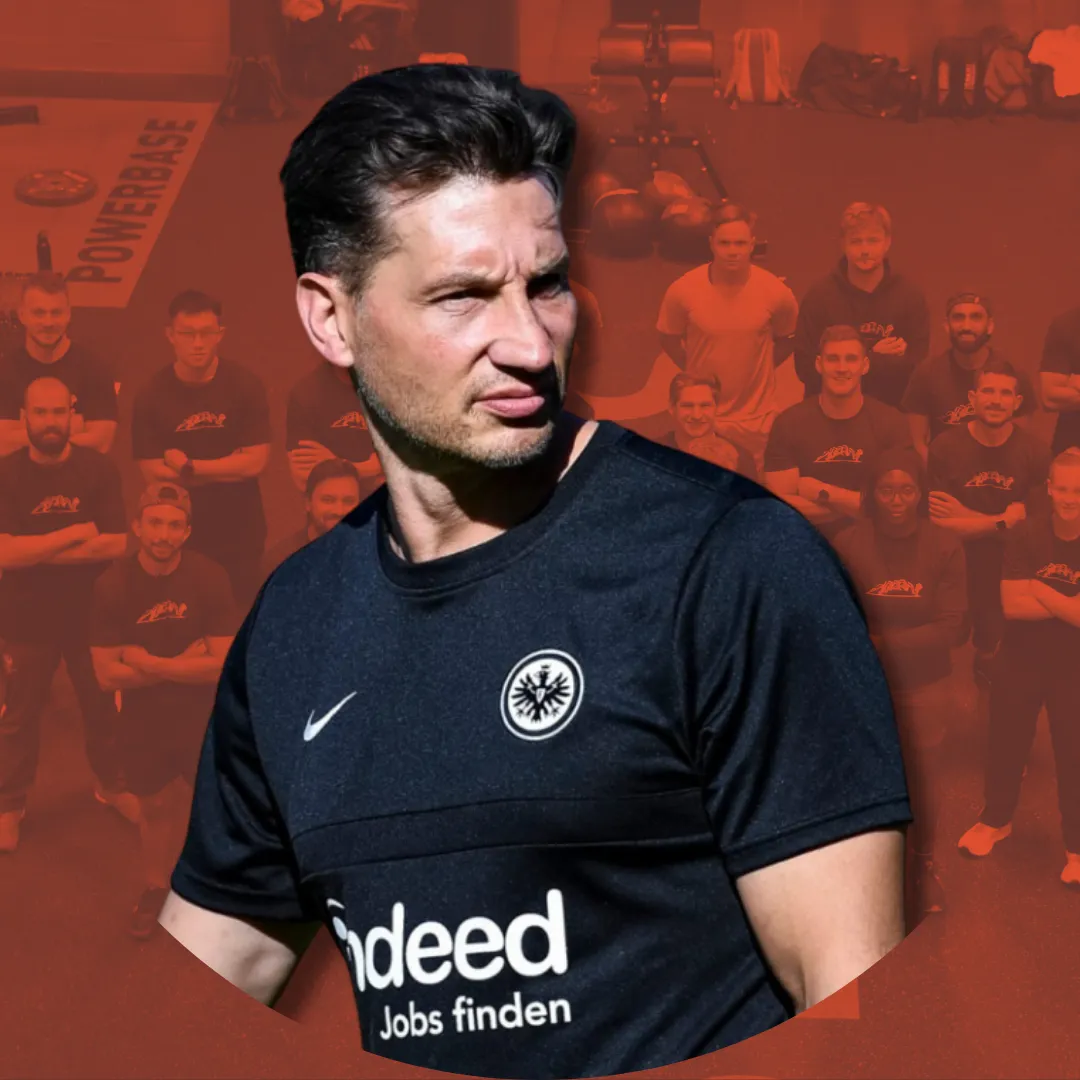
ANDREAS BECK
Eintracht Frankfurt
S&C Coach
MCE 1
"Speedworks have had a dramatic and lasting effect on how we do strength and conditioning for football. Building efficient and elastic players has become easier through the use of specific drills and resisted runs. The Speedworks framework has allowed us to develop underpinning qualities for hamstring health through specific actions. This is an efficient way to train the players as season where we are limited in the dose of training we can actually do."
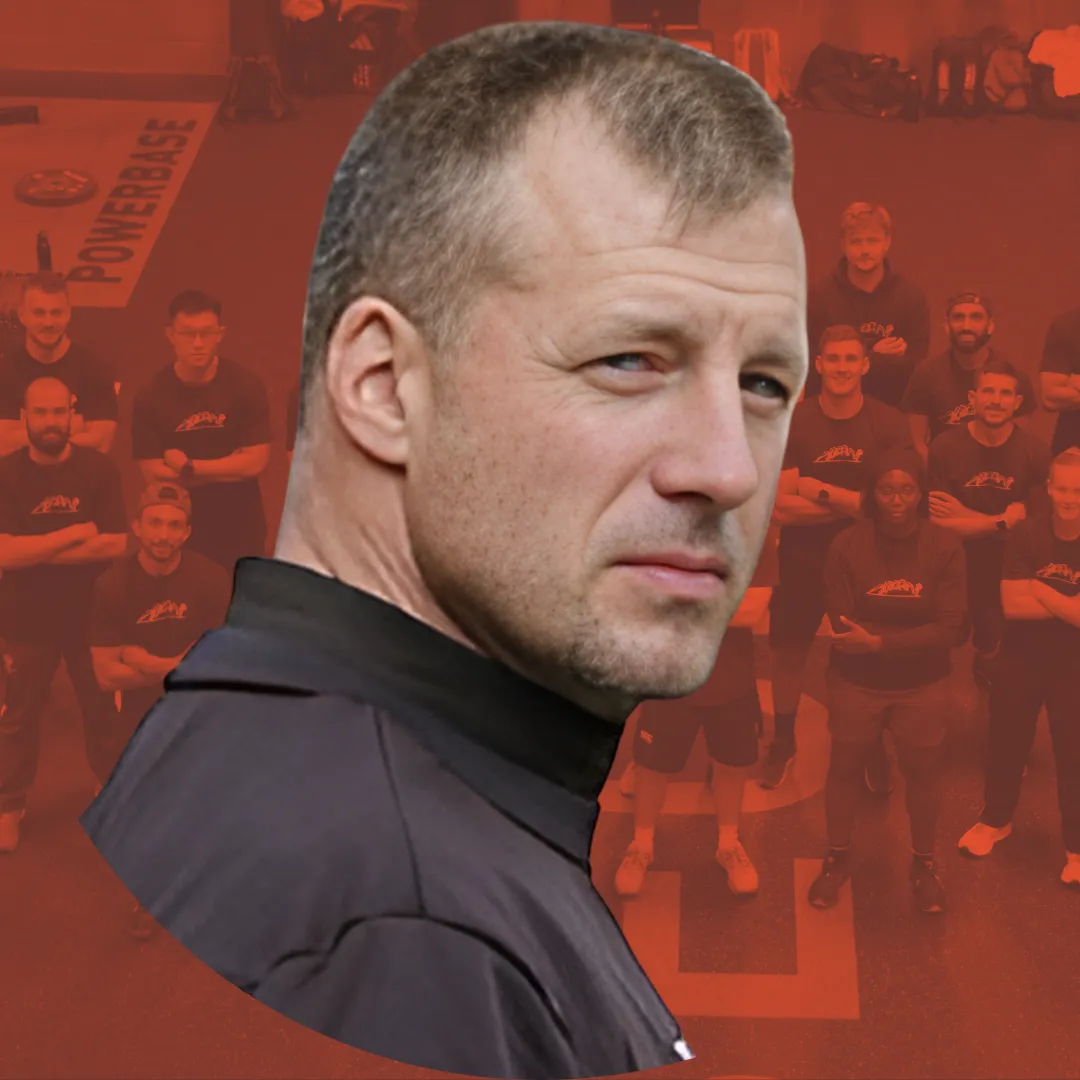
TOM MYSLINSKI
Jacksonville Jaguars
Head S&C Coach
WORKSHOP
"Jonas is a trusted friend and confidant - it’s so important to have colleagues that have a growth mindset, whom you can lean on for advice and at times challenge your beliefs in becoming a better coach and person."
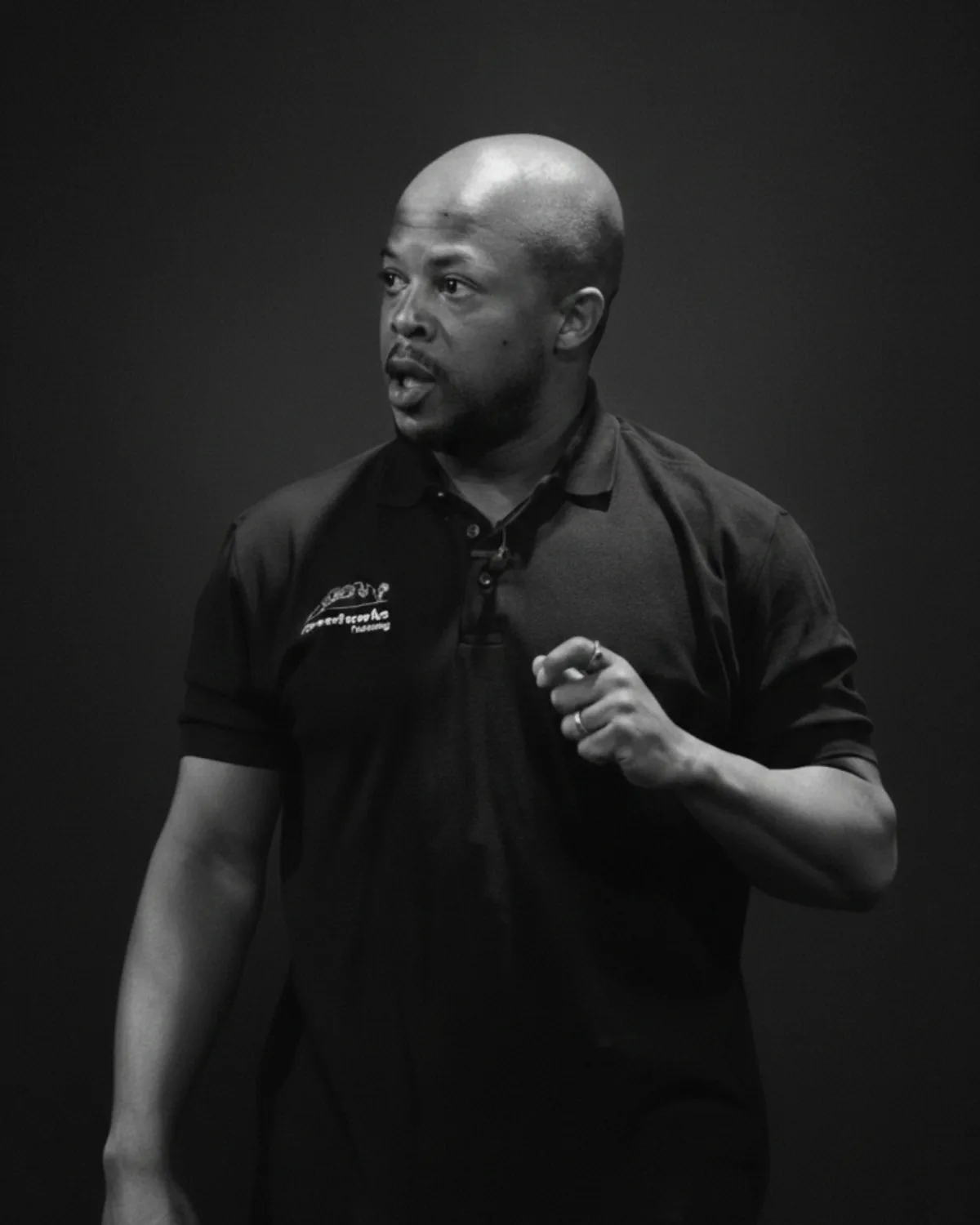
Jonas Tawiah-Dodoo
From Olympic Sprinting to Elite Team Sport.
Developing Speed, Movement, and Coaching Clarity.
I’m not teaching ideas pulled from theory alone.
Everything inside Speedworks coach education has been built through real coaching environments.
From elite sprinting to team sport, and refined through years of observation, diagnosis, and applied decision-making.
15+ YEARS
High-performance coaching experience
The Most Complete Foundation for Understanding
Speed and Movement Ever Built for Coaches
You get the principles, frameworks, and real-world context needed to see movement clearly, understand what limits performance,
and make better coaching decisions, before progressing to advanced application and transfer.
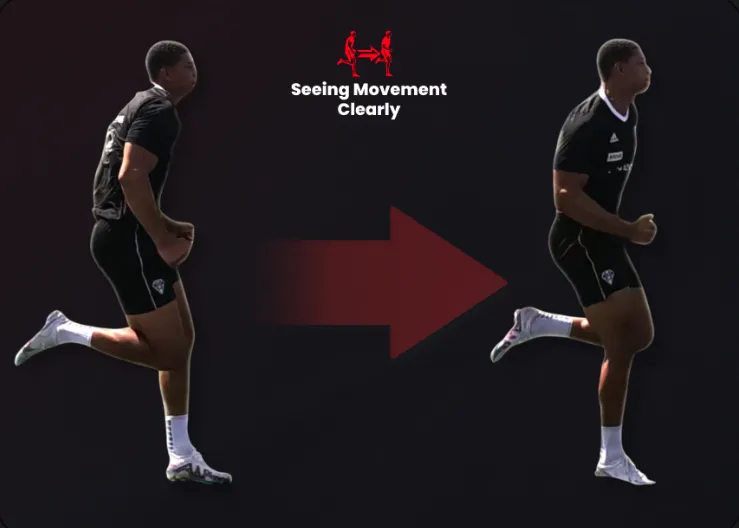
Seeing Movement Clearly
This module introduces the observational lens that underpins the entire Speedworks system.
You’ll learn how sprinting and change of direction act as high-value movement screens, revealing what actually matters in speed and movement and forming the foundation for every coaching decision that follows.
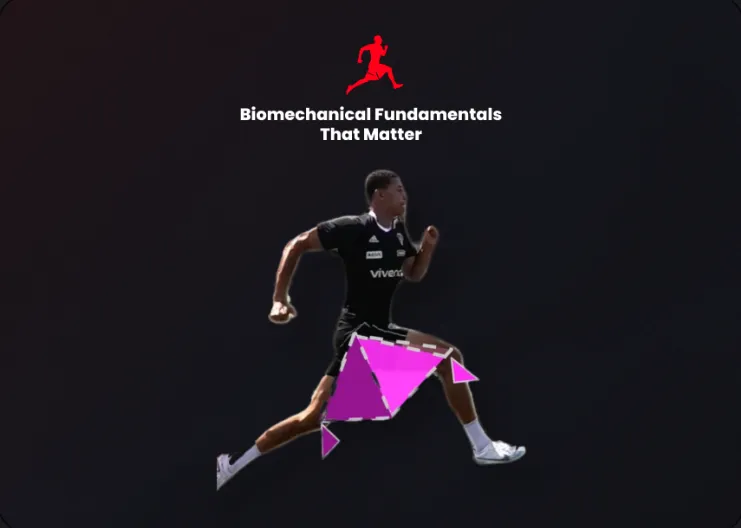
Biomechanical Fundamentals That Matter
This module breaks down the key biomechanical qualities that underpin efficient sprinting and change of direction.
You’ll understand which fundamentals matter most, how they influence movement outcomes, and how to avoid getting lost in detail that doesn’t meaningfully impact performance.
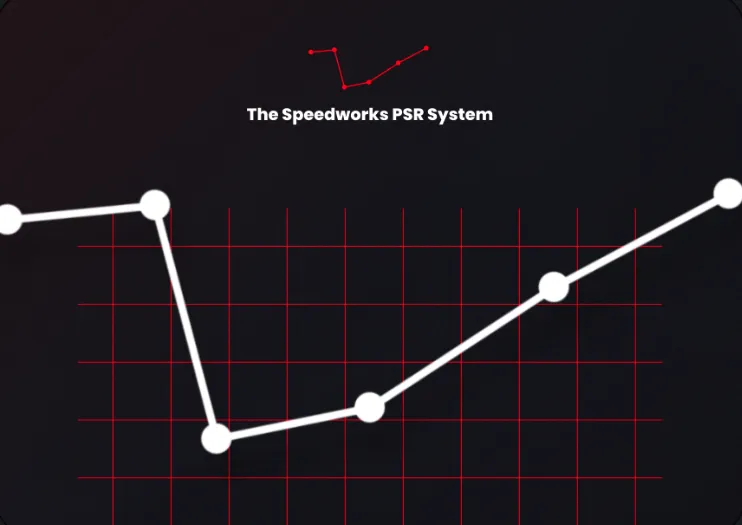
The Speedworks PSR System
This module introduces the PSR framework (Projection, Switching, and Reactivity) and how it organises speed across acceleration, max velocity, and change of direction.
You’ll learn how these variables interact, and why breakdowns in speed occur where they do.
From Biomechanics to Coaching Decisions
This module connects observation and understanding to real coaching choices.
You’ll learn how biomechanics informs exercise selection, cueing, and progression - allowing you to move away from random drills and toward clearer, more consistent decision-making in practice.
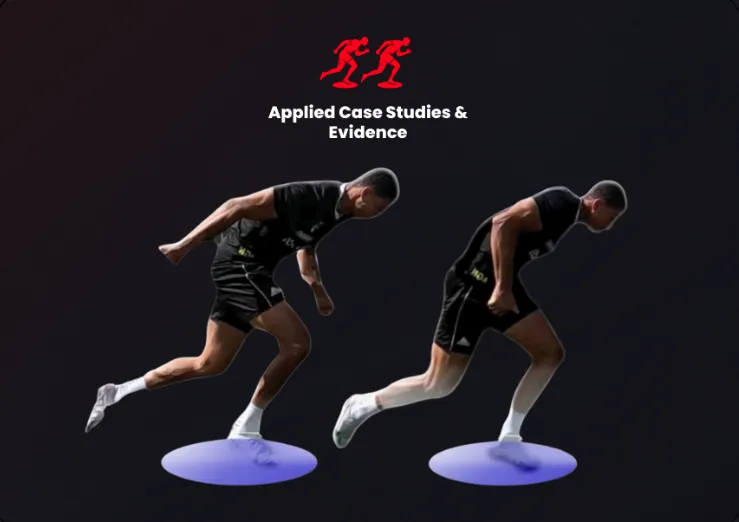
Applied Case Studies & Evidence
This module shows how the Speedworks system holds up in real environments.
Through applied case studies and key research, you’ll see how biomechanical principles translate into better decisions, clearer priorities, and more effective coaching outcomes.
Here’s Everything You Get Inside My Coaching Eye 1
9 Modules. 40 Lessons. Built around linear speed fundamentals.
Modules
Using Intense Actions as Movement Screens
5 Lessons
Learn how sprinting and change of direction expose coordination, rhythm, force orientation, and sequencing, allowing you to see meaningful movement patterns without relying on isolated drills or guesswork.
Fundamentals of Sprinting
5 Lessons
Break down the biomechanical qualities that underpin efficient movement, including step length, frequency, orientation, impulse, rhythm, and sequencing and understand how each influences speed outcomes.
The Speedworks PSR Framework
8 Lessons
Understand Projection, Switching, and Reactivity as an integrated system across acceleration, max velocity, and change of direction and learn how breakdowns in speed actually occur.
Quadrants, Variable Interaction & Imbalances
6 Lessons
Learn how biomechanical variables interact, how asymmetries emerge, and how to interpret imbalances without over-correcting or chasing noise.
Exercise Selection Through a Biomechanical Lens
4 Lessons
Connect observation and understanding to exercise choice, cueing, and progression, helping you move away from random drills and toward clearer, more consistent coaching decisions.
Linear Speed Exercise Menu (Downloadable)
Practical Resource
Access a structured Speedworks exercise menu designed to develop projection, switching, and reactivity qualities in linear sprint patterns.
Applied Client Case Studies
5 Lessons
See how the Speedworks system is applied across different athlete profiles, speeds, and constraints, and how biomechanical priorities shift in real-world coaching environments.
Research That Underpins the System
7 Lessons
Review the key research papers that have shaped the Speedworks framework, and understand how evidence supports - rather than replaces - coaching judgement.
Bonus: Mentorship Module 1 Wrap-Up Call
2-Hour Group Session
A full group discussion reviewing key concepts, applications, and real coaching questions with Jonas and mentorship participants.
One Clear Framework Can Change Every Coaching
Decision You Make
If we’re being honest, no single course can predict every coaching problem you’ll face.
But a clear way of seeing and understanding movement compounds over time, across athletes, contexts, and seasons. That’s what My Coaching Eye 1 is designed to give you.
This isn’t about more drills or more information.
It’s about building a foundation that improves the quality of your decisions, long after the course is finished.
£300
My Coaching Eye 1 Includes
A complete introduction to the Speedworks biomechanical framework, including PSR
Lifetime access to the full MCE1 course, including all core modules and future updates
Practical case studies and applied examples across sprinting and change of direction
Downloadable exercise menus and resources to support application
Access to the Mentorship Module 1 wrap-up session, reviewing concepts and real coaching questions
MCE1 is for coaches who want:
Clearer observation
Better diagnostic reasoning
More confidence in their decisions
Before moving on to advanced application, game actions, and transfer.
Frequently Asked Questions
Who is My Coaching Eye 1 for?
MCE1 is designed for coaches, practitioners, and performance staff who work with speed and movement and want a clearer way to see, understand, and reason about what’s happening.
It’s particularly valuable if you:
- Coach sprinting or change of direction
- Feel unsure why certain interventions work (or don’t)
- Want a framework that supports better decisions, not just more drills
Do I need a biomechanics or academic background?
No.
MCE1 is built for practitioners, not academics. The course focuses on what matters for coaching, using biomechanics as a tool for clarity rather than theory for its own sake.
You don’t need prior formal biomechanics education, just experience working with athletes and curiosity about improving your coaching eye.
Is this course practical, or mostly theory?
MCE1 is foundational, but it is not abstract.
You’ll see:
- How intense actions act as movement screens
- How frameworks like PSR apply to real movement
- How biomechanics connects to coaching decisions
More applied design and transfer comes in MCE2–4, but MCE1 ensures you’re building on solid ground.
How does MCE1 fit with MCE2, MCE3, and MCE4?
MCE1 is the foundation.
- MCE1 → How to see and understand movement
- MCE2 → Applying this understanding to game actions
- MCE3 → Formalising observation through structured screening
- MCE4 → Teaching, training, and transferring movement effectively
You can take MCE1 on its own, but everything that follows assumes this way of seeing.
How long do I have access to the course?
You receive lifetime access to MCE1, including any future updates to the content.
This allows you to revisit concepts as your coaching experience grows and your questions evolve.
Is this relevant outside of sprinting (e.g. team sports)?
Yes.
While sprinting and change of direction are used as intense actions and movement screens, the principles apply broadly across team sports and performance contexts.
The goal is not to coach track athletes - it’s to understand movement under speed and constraint.
Will this tell me exactly what drills to use?
MCE1 will not give you a fixed list of “best drills”.
Instead, it gives you a framework for deciding:
- What to prioritise
- Why certain drills make sense
- When a drill is mismatched to the problem
This is intentional. Better decisions scale further than prescribed exercises.
How long does it take to complete?
The course is self-paced.
Most coaches work through MCE1 over several weeks, revisiting sections as their understanding develops. There is no pressure to rush - the value compounds with reflection and application.
Is there any support or discussion included?
Yes.
MCE1 includes access to a mentorship wrap-up session, where key ideas are reviewed and real coaching questions are discussed. This gives context for how other coaches are applying the material.
What if I’m early in my coaching career?
That’s often an advantage.
MCE1 helps early-career coaches avoid building habits on shaky foundations and gives experienced coaches a way to reorganise what they already know. Both groups benefit - for different reasons.
Is this the right place to start with Speedworks?
Yes.
If you’re new to the Speedworks system, MCE1 is the correct entry point. It provides the lens and language everything else builds on.
If you’re considering My Coaching Eye 1 but aren’t completely sure it’s the right fit, that’s absolutely fine. Just complete the short form below and we’ll make sure you receive the information that helps you understand whether this is the right path for you.
The Speedworks Training System is our methodology to developing coaches and athletes; built over 14 years through coaching a variety of individuals. We measure performance when you start and take you on a journey of growth and improvement.
INFO
CUSTOMER CARE
FOLLOW US


